
All About Laois
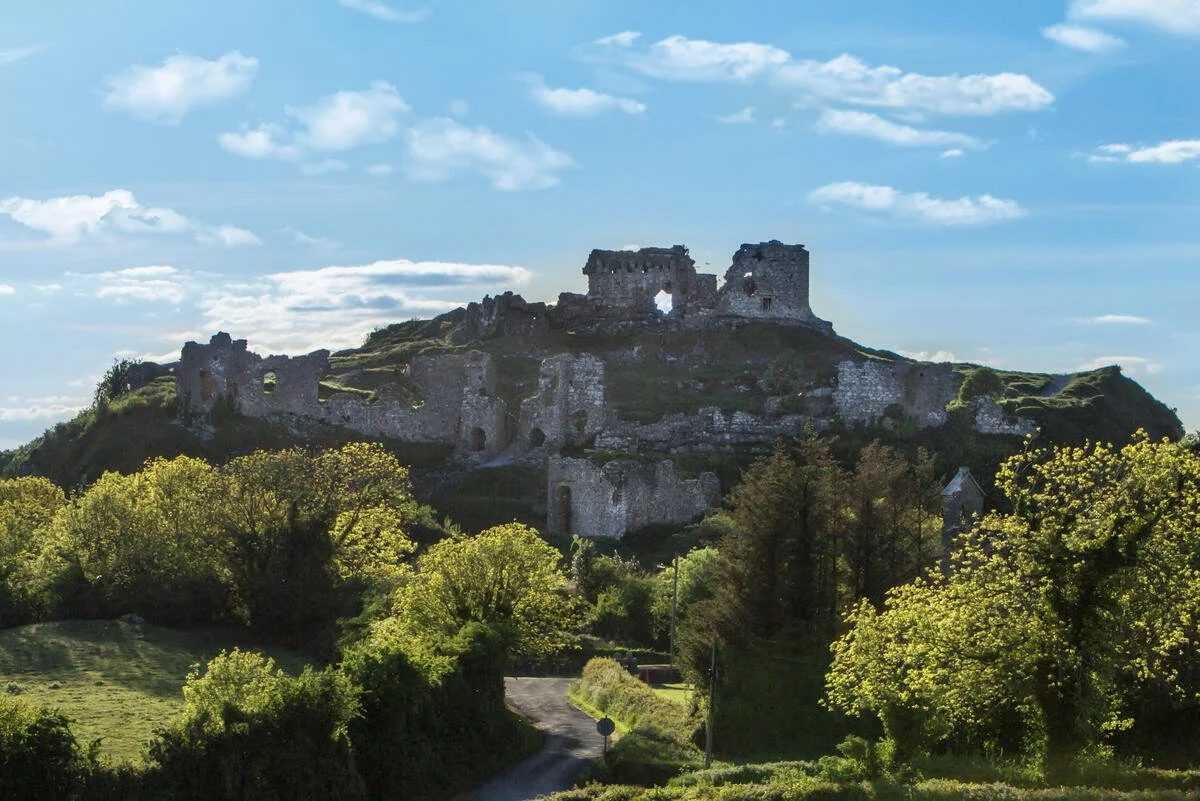
The Rock of Dunamase
Welcome to your new home!
County Laois is steeped in history, full of culture and surrounded by the beautiful natural world. Laois is pronounced like ‘lee-sh’ and derives its name from an Irish tribe that settled in the area in the third century AD.
Laois’ Rich History
Ireland’s first settlers were hunter gatherers, they arrived in the county around 8,500 years ago. Later on in the Neolithic period, which took place from 4,000 to 2,500 BC, the first farmers arrived and cleared forests to begin to live off the land. Remnants of these ancient settlers can still be found at their burial mounds in Cuffsborough and Clonaslee.
The Norman invasion of Ireland occurred in 1169-71. Laois being part of the Kingdom of Leinster, was greatly affected during this time. In fact, the fortress that stands on The Rock of Dunamase was given as a wedding gift to Richard de Clare, or as he is more famously known, Strongbow. The Normans built wooden surveillance towers on mottes to keep watch over the county and many towns in Laois began their life as Norman settlements, including: Castletown, Durrow and Timahoe.
Skipping forward into the 1500s, the first English Tudor conquest of Ireland began. This began what was known as the Plantations. The Plantations involved the confiscation of Irish land by the English crown and colonising the Irish land with settlers from Great Britain. Some of the first plantations took place in Laois and our neighbouring County Offaly. During the reign of Queen Mary I, Laois was named ‘The Queen’s County’ and Offaly became ‘The King’s County’. The attempts at plantation in Laois & Offaly were largely unsuccessful due to fierce resistance from native Irish clans.
The second attempt at plantation in Laois occurred after the Nine Years’ War (May 1593 – March 1603), which was a battle between Irish lords and the English-led government, which the English won. They began expanding settlements and welcoming new landowners and tenants, including a group of Quakers William Edmundson and a group of Huguenots who found refuge in Mountmellick after their service to William of Orange in the Williamite War in Ireland.
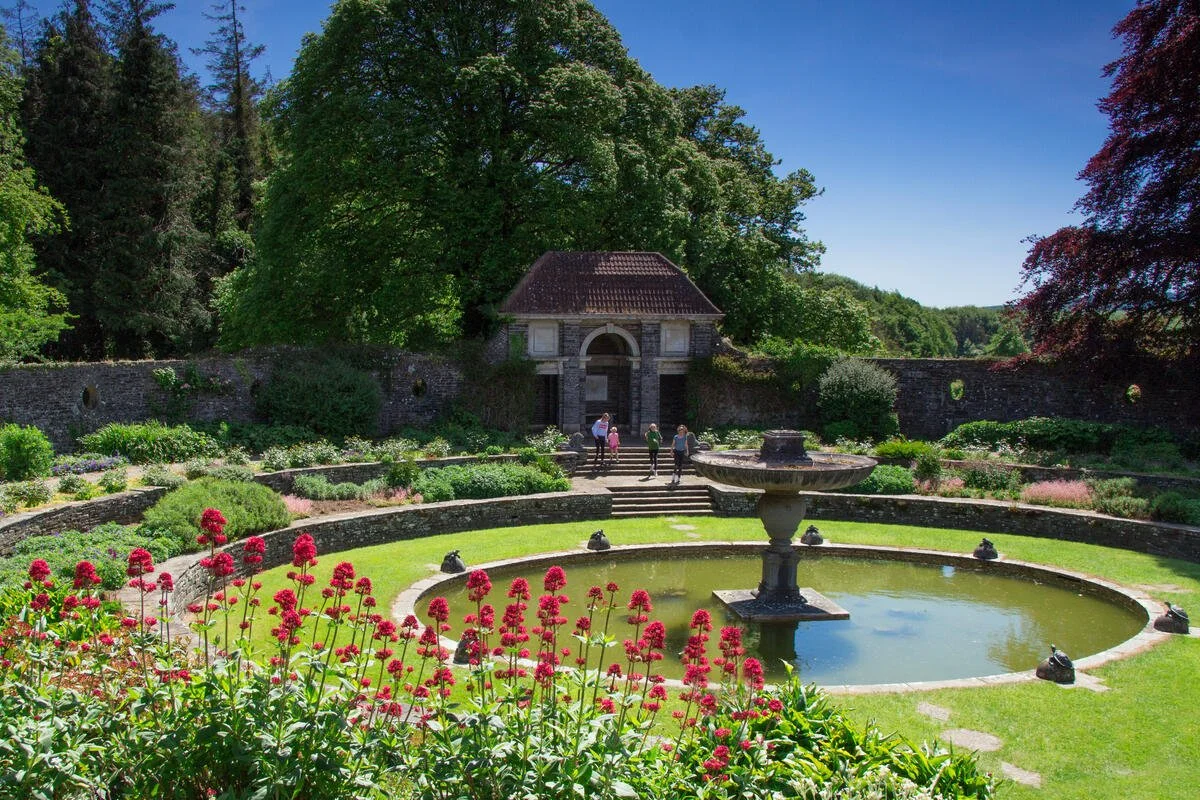
Heywood Gardens
The period that followed this successful attempt at plantation was relatively calm, all things considered. The Anglo-Irish landowners began constructing some beautiful houses and gardens that are still standing to this day - Heywood House, Emo Court and Durrow Castle, which is now a country house hotel.
Things were peaceful in County Laois until disaster struck when the reliable potato crop was hit by an infestation of blight, which in turn, led to The Great Famine of 1845-49. The Famine devastated the entire county. The workhouses in County Laois could not deal with the number of destitute people who were in need of shelter. In Donaghmore, you will find the Famine Workhouse Museum. The rooms of the workhouse almost exactly as they appeared in the late 1800s. Take a guided tour of the museum and learn more about the turbulent history of the area during the time.
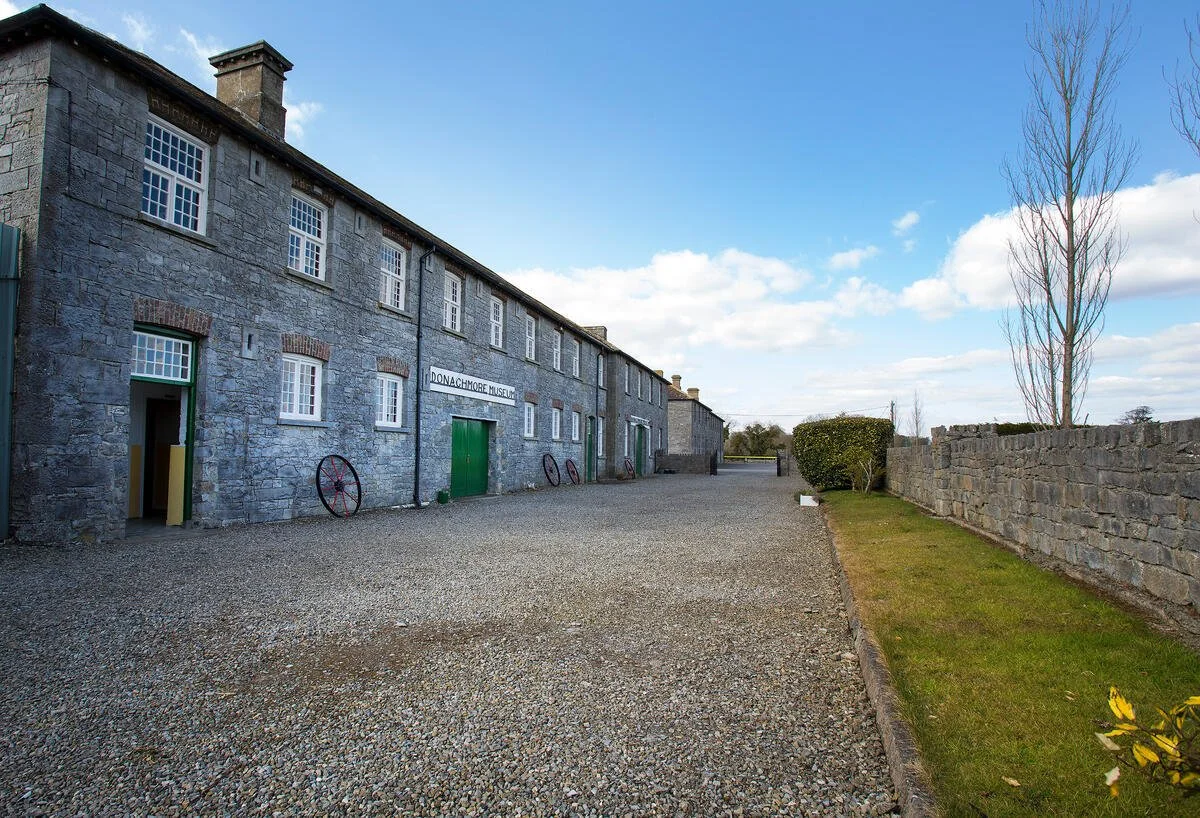
Donaghmore Workhouse and Agricultural Museum
Interesting Fact: County Laois was referred to as the Queen’s County up until 1922, when the Irish Free State was established after the Irish War of Independence. However, no legislation was enacted explicitly changing the name from Queen's County to Laois. Even to this day, when land is sold in the county the relevant title deeds are still updated as being in ‘Queen's County.’
Places of Interest
Phew! Now that you’ve learned all about the rich and turbulent history of County Laois, how about we show you some of the beautiful places that you can visit - discover quaint villages, shop ‘til you drop in bustling towns or get your hiking boots on and explore high above the clouds!
Rock of Dunamase
A must-do on any visit to Laois, the Rock of Dunamase is run by the Office of Public Works (OPW) and is an important ancient site in Ireland. It was once the fort of the Irish Kings of Laois. The name Dunamase comes from the Irish Dún Másc (doon maw-sk), meaning the Fort of Masc but the Kings lost the fort in 845 when they were attacked by the Vikings. The fort was the backdrop for many battles in Irish history and unfortunately suffered the most significant damage during the 1650 Cromwellian invasion.
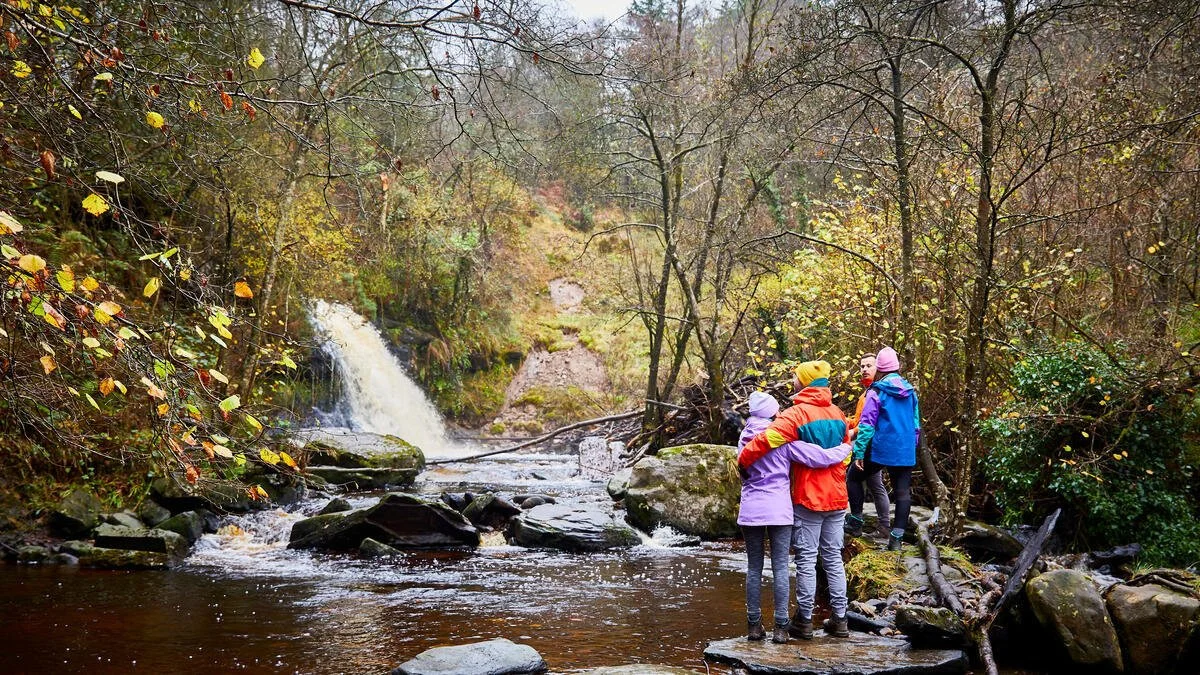
Slieve Bloom region walks
Slieve Bloom Mountains
The Slieve Bloom Mountains, alongside the Massif Central in France, are some of the oldest mountains in Europe. They were once the highest in Europe at 3,700m but have been weathered over the centuries to 527m. On a clear day, you can see the highest points of the 4 ancient provinces from the mountains. Take the road less travelled and explore the beautiful Irish countryside either on foot, by bike or even on horseback! There are adventures to be found in every nook and cranny of the Slieve Bloom region.
Heywood Gardens
Another OPW site, Heywood Gardens span over 50 acres of the Laois countryside near Ballinakill. Commissioned by Colonel William Hutchinson Poe and created by leading architect, Sir Edward Lutyens. The 18th century garden is all that is left of the Heywood estate, with the grand country house destroyed by an accidental fire in the 1950s. However, the gardens are probably the best preserved example of a Lutyens garden in Ireland and a beautiful day out during the Spring & Summer time.
Emo Court House & Gardens
Emo Court is one of the largest country estates in Ireland. The house was commissioned by the 1st Earl of Portarlington in 1790, it was completed 80 years later in 1870! The 250 acre estate was home to the earls of Portarlington until the War of Independence in the early 1920’s forced them to flee the country. Major Cholmeley-Harrison took over Emo Court in the 1960s and fully restored the house and surrounding parklands to their former glory, before gifting it back to the Irish people in the mid 90s.
