
How to spend 48 hours in Dublin
Dublin. Lovingly known as ‘The Big Smoke’ by anyone from outside of County Dublin from their infamous issue with a constant blanket of thick smoke and smog over the skyline in the 1980s. The capital city of Ireland is home to some of the country’s top arts, cultural, historical and culinary experiences.
Did you know that Dublin City is home to 600,000 people with a further 1.4 million people calling County Dublin ‘home’.
With that many people on the capital’s doorstep, there are tons of new experiences to discover around every corner. Whether you enjoy a day wandering around the gallery, learning about the country’s fascinating history or love a more touristy atmosphere, there is something for everybody to enjoy upon a trip to the capital.
Keep reading to discover a few of the many ways that you could spend 48 hours in Dublin.
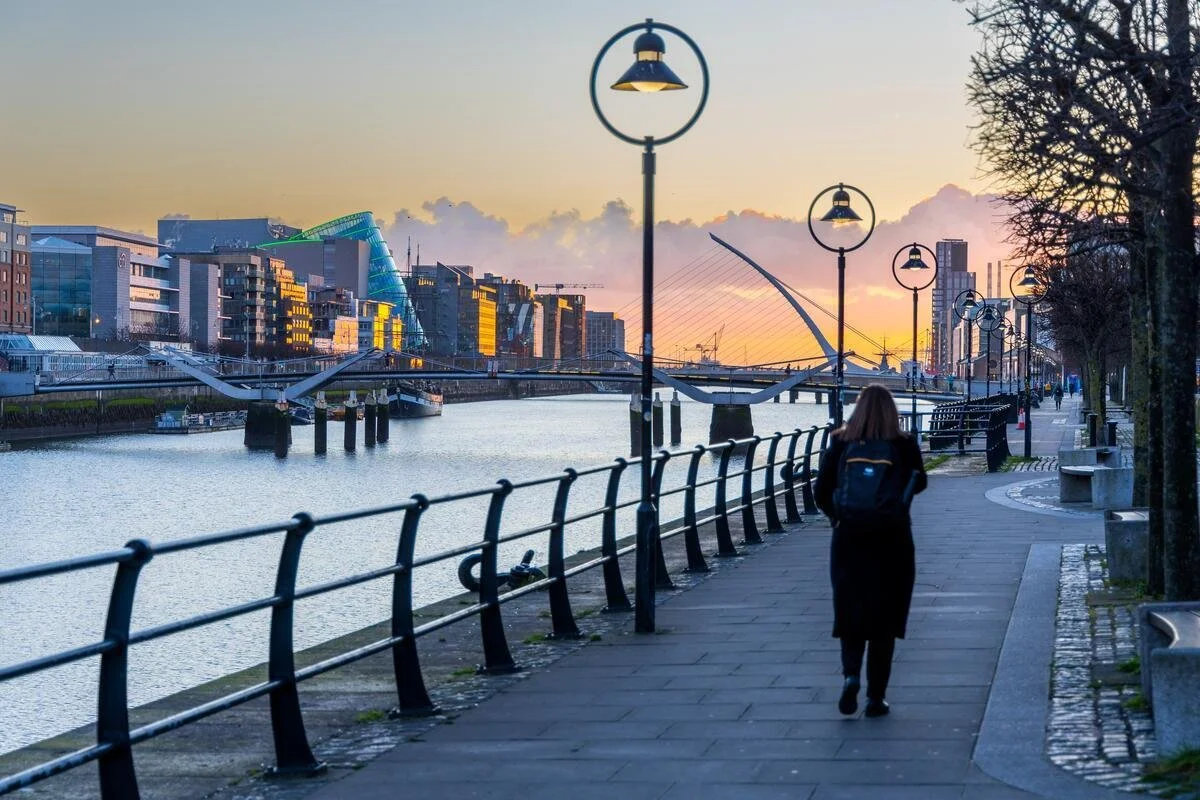
Located just under an hour by train from Portarlington, County Laois, Dublin’s Heuston station is situated on the West of the city and you will pass by some of Dublin’s top attractions as the train pulls into the station such as Kilmainhaim Gaol and The Guinness Storehouse.
Across the River Liffey you will find the Phoenix Park, which houses Dublin Zoo and Aras an Uachtarain (pronounced awrus on ookh-turaw-in) also known as the residence of the Irish President.
Arts, Culture & Heritage
Irish history is both turbulent and vibrant with amazing figures from every genre — from the arts and music, to political heroes and sporting legends, you will learn so much about the small but mighty island of Ireland through a number of the city’s museums.
Trinity College
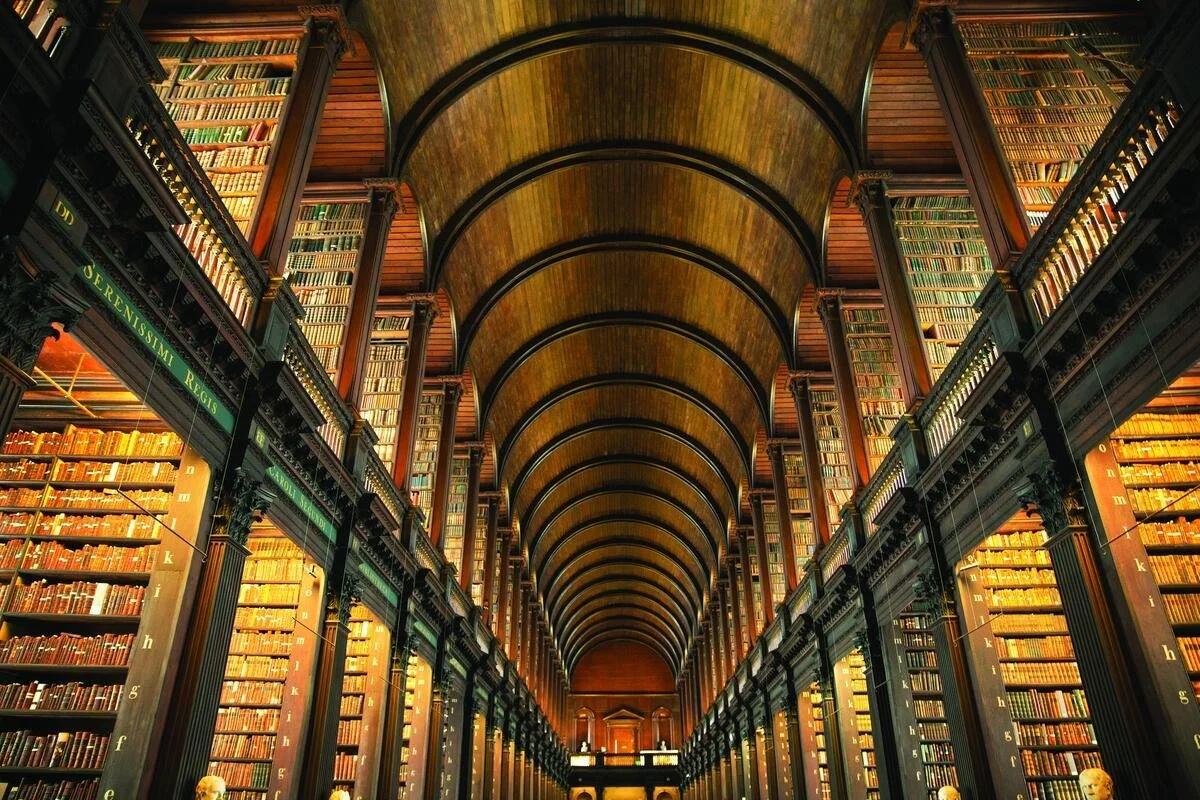
Trinity College Dublin (pictured) is Ireland’s oldest and highest-ranked university, founded in 1592 by Queen Elizabeth I. Notable alumni of the university include: Oscar Wilde, Samuel Beckett, Bram Stoker and former president, Mary Robinson. Not only do they enroll 20,000+ students through the gates but they open their doors to over 1 million visitors each year to see the outstanding 9th-century Book of Kells in The Old Library. Learn more about Trinity College here
National Museum of Ireland: Archaeology
Located nextdoor to The Dáil (pronounced: doil) the Irish Parliament buildings, you will find The National Museum of Ireland. There are 4 branches in the National Museum of Ireland collection:
Archaeology on Kildare Street
Decorative Arts and History in Collins Barracks
Natural History also known as ‘The Dead Zoo’ in Merrion Street and
Country Life in Castlebar, County Mayo
The National Museum of Archaeology is particularly fascinating as it is famous for its Iron Age bog bodies. The museum also features prehistoric Irish gold, Celtic and medieval artifacts like the Tara Brooch and Ardagh Chalice. It is considered the most popular branch of the 4 museums and is also seen as one of the finest archaeological museums in Europe as it houses over 2 million rare artifacts spanning thousands of years of human civilisation. All of our national museums are free to enter. Learn more about The National Museum of Ireland here
Kilmainham Gaol
Located nearby Heuston Station, Kilmainham Gaol is an epochal symbol of Irish history. The prison building was the site of the execution of the fourteen signatories of the Proclamation in 1916. For over 100 years, the prison held people for instances ranging from petty crimes to the most momentous occasions in Irish history. Upon a visit to the prison, you will learn all about the ordinary people who fought for Irish independence. From the 1798 rebellion, the 1916 Easter Rising and the Anglo-Irish War (1919-21), to the devastation of the Irish Civil War (1922-23) this landmark moments in our history all have a story to share within the walls of Kilmainham. Learn more about Kilmainham Gaol here
Croke Park
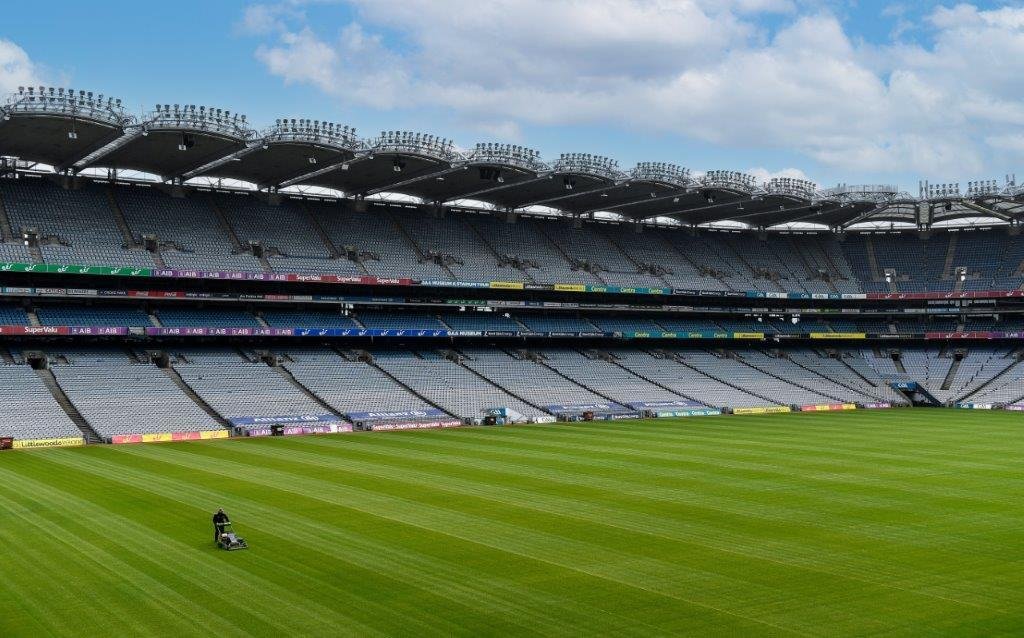
Croke Park is our national stadium and home to our national sports, hurling and Gaelic football. The stadium is one of the largest in Europe, with a capacity of 82,300 but aside from the numerous amount of sporting tournaments and concerts that have graced the stadium, it is also home to the GAA Museum and Skyline Tour. The GAA Museum was created to immerse visitors in our ancient sporting history and bring to life how the GAA has impacted Ireland’s cultural, social and sporting heritage. If you’re a daredevil, why not get suited and booted for the Skyline Tour and discover Dublin from 17-storeys high! Learn more about Croke Park here
Tourist Attractions
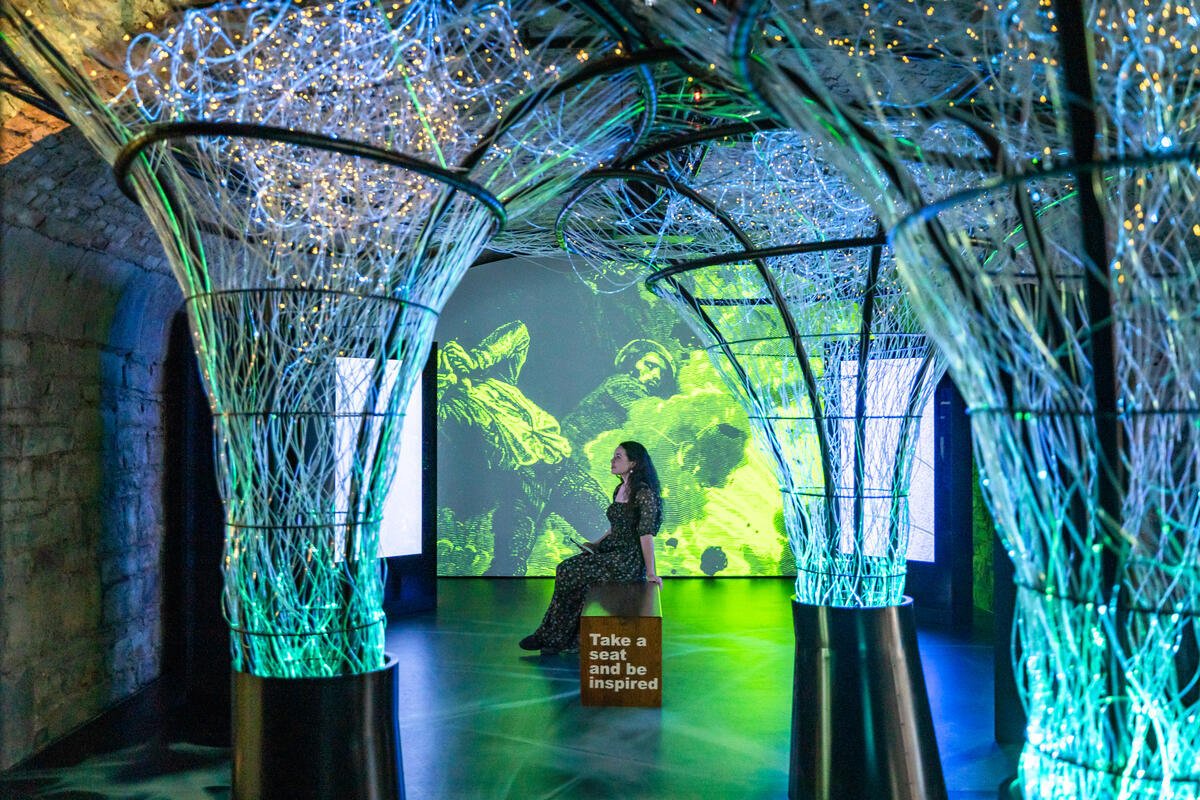
There is a rising trend of people partaking in traditionally ‘touristy’ attractions in their own country, while we may think that we know all that there is to know about Irish history, Irish people and our famous food and drink, there is a wealth of information awaiting you behind the doors of the EPIC Museum (pictured) and the Guinness Storehouse. But before you step into these incredible buildings filled with two different sides of Irish history, perhaps you’d like to hop on an exciting Viking Splash Tour?
The Viking Splash Tours are an iconic feature in daily Dublin life, the big yellow Viking boat on wheels is well-known around the city for participants bellowing their Viking warrior cry to unsuspecting pedestrians! The informative and unforgettable experience takes place in a WW2 amphibious DUKWs, which will bring you around the city before going for a dunk in the Grand Canal Basin. Learn more about The Viking Splash Tours here
The EPIC Museum first opened its doors in May 2016 and has welcomed millions of visitors to the historic CHQ building where it resides. The CHQ (or Custom House Quay) building was built between 1817 and 1820 to store valuable cargoes of tobacco, tea and spirits. It overlooks a departure point on the River Liffey, from which many people fled the country during The Famine. This is a fitting location for Ireland’s Emigration Museum. The vision of the museum is to provide a powerful window into Ireland and its people by showing how Irish emigration has shaped the world through an immersive and interactive experience. Learn more about the EPIC Museum here
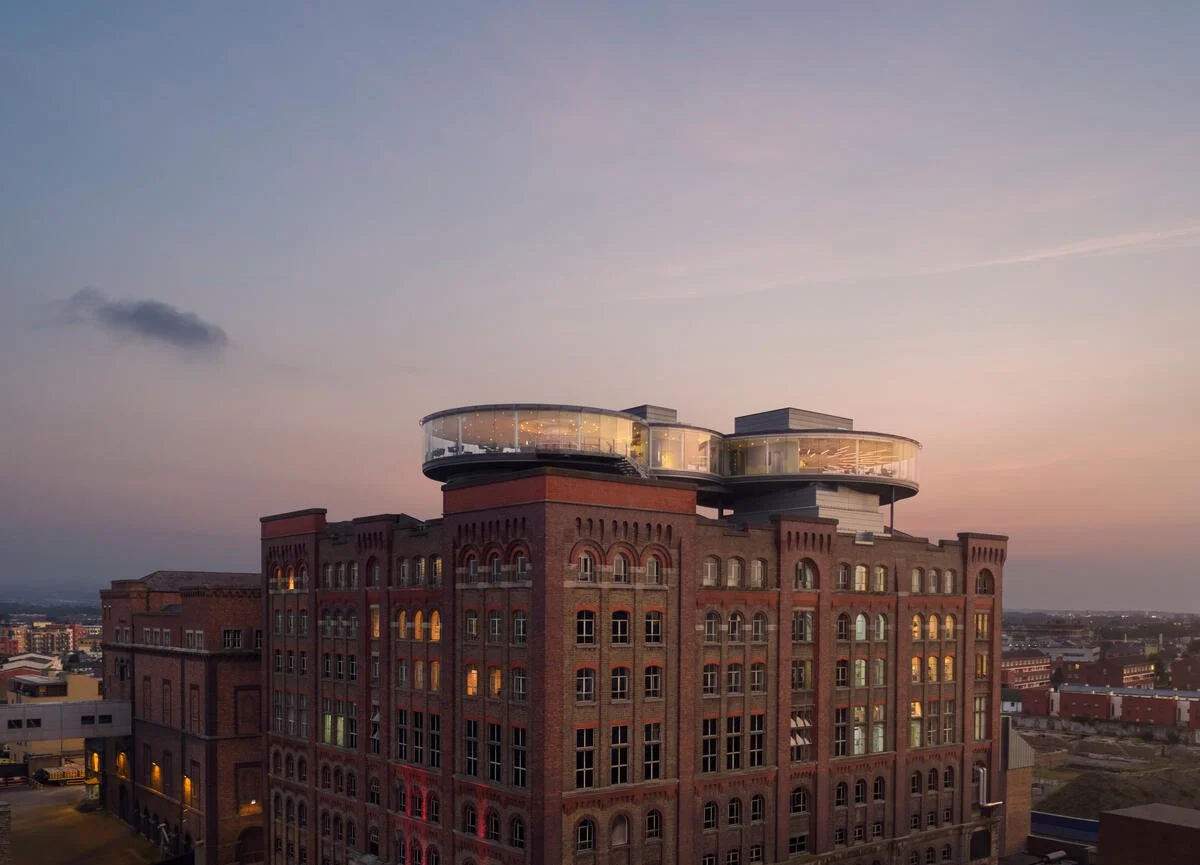
It wouldn’t be a guide to sightseeing in Dublin without mentioning the world-renowned Guinness Storehouse. The experience is set in the historic St. James’ Gate in The Liberties, where Sir Arthur Guinness signed a 9,000 year lease for the home of the black stuff! Upon a visit to the award-winning visitor experience, you will see a copy of the original lease set into the first floor. At the top of the seven-floor experience is a glass atrium shaped like a pint (pictured) that offers 360-degree views of Dublin City. Learn more about the Guinness Storehouse here
Food & Drink
There is a wealth of food and drink options available in Dublin that we couldn’t possibly list them all! For a more extensive list of where to eat and drink in Dublin, take a look at Visit Dublin’s food page here and explore the amazing array of flavours encompassed in the city. Whether you’re in search of a quick bite, an opportunity to delve into vibrant international flavours, a quiet moment with a bespoke cocktail or a Michelin-starred dinner, there is a new flavour journey awaiting around every corner!
Days out in Dublin will become part of your regular routine with the direct train from Portarlington Station. Whether you’re meeting friends in the city, diving into new culinary sensations, shopping til you drop or simply just enjoying all that the capital has to offer, living in Killenard means you’re never too far from it all. And when the day is done, you can return to the comforting arms of your new home in Heritage Village.
